
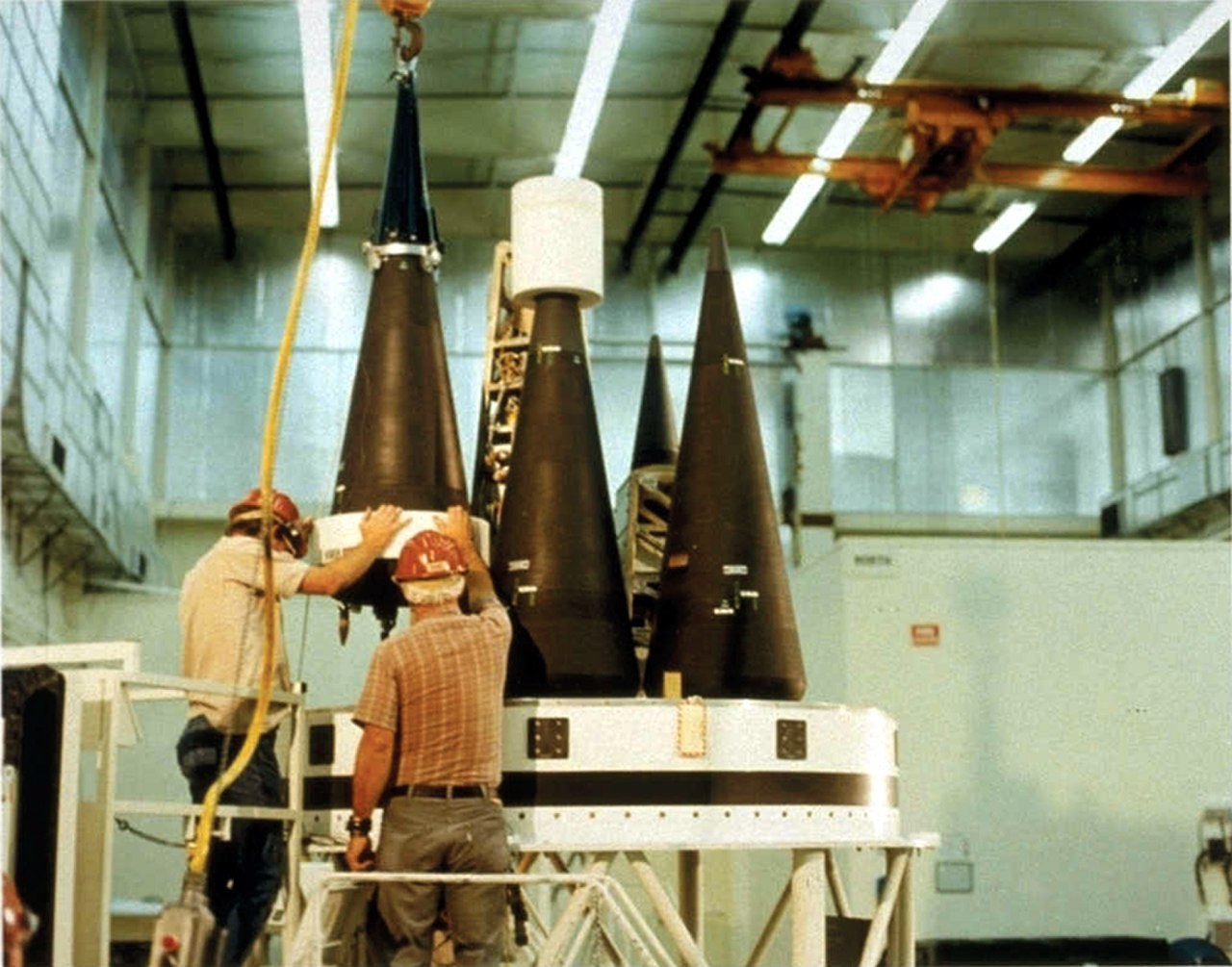
The countries with the most nuclear weapons are: Russia (~6,257), United States (~5,550), China (~500), France (~290), and United Kingdom (~225).
Introduction
Countries With the Most Nuclear Weapons is one of the most searched geography topics on the internet. Whether you're a student, traveler, or trivia enthusiast, understanding these rankings helps paint a picture of our diverse world. In this guide, we rank the top countries and provide context for each entry.

Complete Rankings
1. Russia — ~6,257 total warheads
Russia has approximately 6,257 nuclear warheads, the largest arsenal in the world. About 1,588 are deployed on intercontinental ballistic missiles (ICBMs), submarine-launched missiles, and bombers. Russia's nuclear triad (land, sea, air delivery systems) is being modernized with new missiles like the Sarmat ICBM and Poseidon nuclear torpedo. Russia inherited the Soviet Union's arsenal, which peaked at over 40,000 warheads in 1986.
2. United States — ~5,550 total warheads
The United States has approximately 5,550 nuclear warheads, with about 1,744 deployed. The US nuclear triad consists of Minuteman III ICBMs (400), Trident submarine-launched missiles (280 deployed), and B-2/B-52 bombers. The US is modernizing its entire nuclear arsenal at an estimated cost of $1.5 trillion over 30 years.
3. China — ~500 warheads (rapidly expanding)
China has approximately 500 nuclear warheads, a dramatic increase from about 200 in 2019. Satellite imagery reveals China is building hundreds of new missile silos in western deserts, suggesting the arsenal could reach 1,000-1,500 warheads by 2035. China maintains a "no first use" policy, though its rapid expansion has raised international concerns.
4. France — ~290 warheads
France has approximately 290 nuclear warheads, delivered by submarine-launched missiles and air-launched cruise missiles. France conducted its first nuclear test in 1960 under President de Gaulle, seeking independent deterrence rather than reliance on the US. France's nuclear force (force de frappe) is entirely based on submarines and aircraft.
5. United Kingdom — ~225 warheads
The UK has approximately 225 nuclear warheads, deployed exclusively on Trident submarine-launched missiles aboard four Vanguard-class submarines. At least one submarine is always at sea, providing continuous at-sea deterrence. The UK is the only nuclear state that relies on a single delivery system.
6. Pakistan — ~170 warheads
Pakistan has approximately 170 nuclear warheads and is expanding its arsenal faster than any other country. Pakistan conducted its first nuclear test in 1998, shortly after India's tests. Pakistan's nuclear weapons are primarily targeted at India, and the two nations have come close to nuclear confrontation multiple times.
7. India — ~172 warheads
India has approximately 172 nuclear warheads, delivered by land-based missiles, aircraft, and submarine-launched missiles. India conducted its first nuclear test in 1974 ("Smiling Buddha") and declared itself a nuclear weapons state in 1998. India maintains a "no first use" policy.
8. Israel — ~90 warheads (undeclared)
Israel is widely believed to possess approximately 90 nuclear warheads but has never officially confirmed or denied having them — a policy of "nuclear ambiguity" or "opacity." Israel is believed to have developed nuclear weapons in the 1960s with assistance from France and has never signed the Nuclear Non-Proliferation Treaty.
9. North Korea — ~50 warheads (estimated)
North Korea has an estimated 50 nuclear warheads, though exact numbers are uncertain. North Korea conducted its first nuclear test in 2006 and has since developed increasingly powerful weapons and long-range delivery systems, including ICBMs theoretically capable of reaching the US mainland. The Kim regime considers nuclear weapons essential to its survival.
Key Context & Facts
- The total global nuclear arsenal is approximately 12,500 warheads. This is down from a peak of about 70,000 in 1986 during the Cold War, reflecting decades of arms reduction treaties.
- A single modern thermonuclear warhead can be 100-1,000 times more powerful than the bombs that destroyed Hiroshima and Nagasaki. The largest ever detonated was the Soviet Tsar Bomba at 50 megatons.
- Five countries — the US, Russia, UK, France, and China — are the "official" nuclear weapons states under the Nuclear Non-Proliferation Treaty. The other four are not NPT signatories or have withdrawn.
Final Thoughts
Russia and the United States together hold approximately 90% of the world's nuclear weapons, a legacy of the Cold War arms race. China's rapid nuclear expansion represents the most significant shift in the nuclear balance of power since the Cold War ended. While the risk of deliberate nuclear war is considered low, the potential consequences are so catastrophic that nuclear arms control remains one of the most critical issues in international relations.
Test Your Knowledge!
How well do you know world geography? Try our interactive games!
Play Geography Games →