
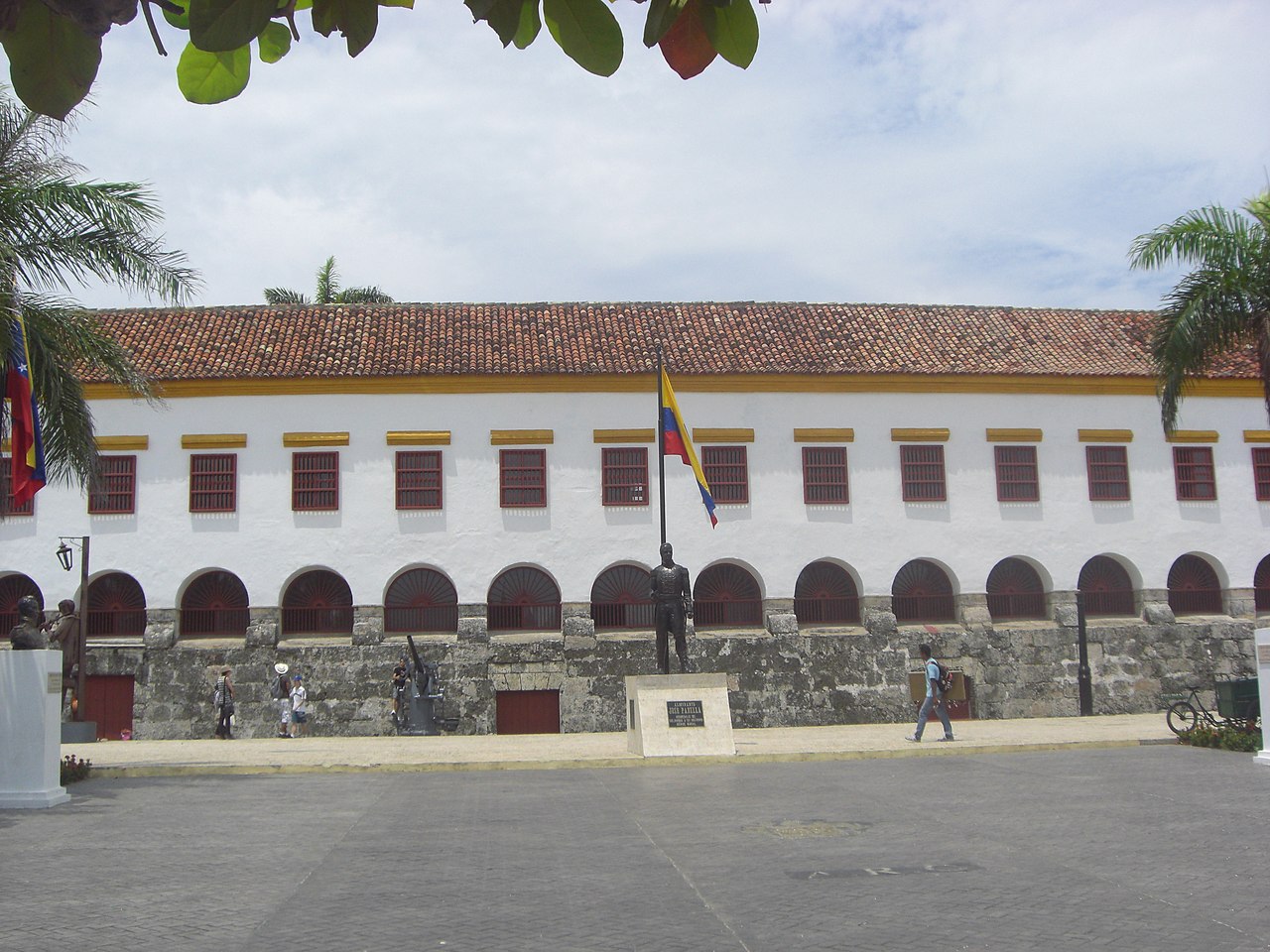
Here are 25 interesting facts about Colombia: it is the second-most biodiverse country on Earth, home to more bird species than any other nation, the source of roughly 90% of the world's emeralds, and the only country in South America with coastlines on both the Pacific Ocean and the Caribbean Sea. With a population of around 52 million and its capital at Bogota, Colombia compresses Andean peaks, Amazon rainforest, Caribbean beaches and bustling cities into one extraordinary territory.
Nature and Geography Facts
Colombia's location near the equator, combined with its dramatic range of altitudes, makes it one of the planet's natural wonders.
- 1. Colombia is the second-most biodiverse country on Earth after Brazil, packing this richness into a far smaller area.
- 2. It hosts roughly 1,900 bird species — the most of any country in the world — plus more than 3,000 butterfly species and over 56,000 plant species.
- 3. It is the only South American nation touching both the Pacific and the Caribbean, with around 3,200 kilometers of combined coastline.
- 4. Three separate ranges of the Andes (the Cordilleras) fan out across the country, creating climates from sweltering coast to permanent snow above 5,000 meters.
- 5. The Cano Cristales river is nicknamed the "River of Five Colors" because aquatic plants turn it vivid red, blue, yellow, green and black for a few months each year.
- 6. The Colombian Amazon covers roughly a third of national territory yet holds less than 1% of the population, preserving vast untouched rainforest.
History and Culture Facts
Colombia's heritage blends Indigenous, Spanish and African roots into a culture famous for literature, music and warmth.
- 7. The country is named after Christopher Columbus, even though he never actually set foot on its soil.
- 8. The legend of El Dorado originated here: the Muisca people covered a new chief in gold dust and rowed him to the middle of Lake Guatavita to make offerings.
- 9. Gabriel Garcia Marquez, born in Aracataca, won the 1982 Nobel Prize in Literature; his novel One Hundred Years of Solitude is among the most translated books ever written.
- 10. The Carnival de Barranquilla is one of the world's largest carnivals and a UNESCO Intangible Cultural Heritage, often ranked second only to Rio's.
- 11. Salsa dancing flourishes in Cali, the self-styled "Salsa Capital of the World," celebrated each December at the Feria de Cali.
- 12. Since the 2016 peace agreement with FARC guerrillas, Colombia has transformed its reputation and seen tourism climb steeply.
Food and Daily Life Facts
Daily life in Colombia revolves around strong coffee, hearty corn dishes and a famously hospitable spirit.
- 13. Colombian coffee is regarded among the finest anywhere, grown at high altitude in the volcanic soil of the "Coffee Triangle" (Eje Cafetero).
- 14. Arepas — grilled corn cakes — are the national staple, with each region having its own version, from cheese-filled in the Andes to egg-stuffed on the coast.
- 15. The phrase "Mi casa es su casa" ("my house is your house") is taken seriously; warmth and hospitality are cornerstones of Colombian life.
- 16. Aguapanela, made by dissolving unrefined cane sugar in water and often served with lime, is one of the country's most common everyday drinks.
- 17. Colombians celebrate "Dia de las Velitas" (Day of the Little Candles) on December 7, lighting millions of candles and lanterns to begin the Christmas season.
Economy and Innovation Facts
From emeralds to cut flowers to a reinvented Medellin, Colombia's economy holds plenty of surprises.
- 18. Colombia produces roughly 90% of the world's emeralds, with the Muzo and Chivor mines yielding some of the finest stones in history.
- 19. It is the world's third-largest coffee producer (after Brazil and Vietnam) and the leading producer of washed Arabica beans.
- 20. Medellin, once labeled the world's most dangerous city, is now an innovation hub with an award-winning metro and cable-car system serving its hillside neighborhoods.
- 21. Colombia is among the largest exporters of cut flowers on Earth, supplying a huge share of the roses and carnations sold globally, most grown on the Bogota savanna.
Surprising Facts You Probably Didn't Know
A few final facts capture just how distinctive Colombia really is.
- 22. Colombia has one of the highest numbers of public holidays in the world — around 18 a year — many shifted to Mondays to create long weekends.
- 23. The town of Zipaquira holds an underground cathedral carved entirely from a salt mine roughly 180 meters below the surface, able to hold thousands of worshippers.
- 24. The San Andres and Providencia islands lie about 775 km from the mainland but only some 240 km from Nicaragua, surrounded by a "Sea of Seven Colors."
- 25. Simon Bolivar, the liberator of much of South America, governed from Gran Colombia, of which modern Colombia was the heart.
For a deeper overview of the country's regions, climate and travel highlights, see our full colombia country guide.
Frequently Asked Questions
What is Colombia best known for?
Colombia is best known for its world-class coffee, its emeralds, its extraordinary biodiversity, and cultural icons like Gabriel Garcia Marquez, salsa and the Carnival de Barranquilla. It is also famous for its dramatic turnaround from conflict toward a thriving tourism destination.
Why is Colombia so biodiverse?
Colombia sits on the equator where the Andes, Amazon, Pacific and Caribbean ecosystems meet. The huge range of altitudes — from sea level to over 5,000 meters — creates countless microclimates, producing the planet's richest bird life and one of its largest collections of plant species.
Is Colombia in North or South America?
Colombia is in the northwest of South America. It borders Panama, Venezuela, Brazil, Peru and Ecuador, and is the only South American country with coasts on both the Caribbean Sea and the Pacific Ocean.
What is the capital of Colombia?
The capital is Bogota, a high-altitude city sitting at roughly 2,640 meters in the Andes. It is the country's largest city and its political, cultural and economic center.