

At least 10 national flags feature plants: Canada (maple leaf), Lebanon (cedar tree), Cyprus (olive branches), Haiti (royal palm), Eritrea (olive branch), Equatorial Guinea (silk cotton tree), Belize (mahogany tree), Fiji (sugarcane and coconut), Norfolk Island (pine tree), and Grenada (nutmeg).
Plants as National Symbols
Trees, leaves, and crops appear on flags far less often than stars, crosses, or crescents, which makes botanical flags stand out. When a country chooses a plant for its flag, it is usually pointing to something central to national life: a species that grows nowhere else, a crop that built the economy, or a tree woven into centuries of folklore. A maple leaf says Canada instantly, and a cedar says Lebanon just as clearly.
Botanical symbols tend to fall into three families. Some flags show a whole tree, standing for endurance, shelter, or ancient heritage. Others display leaves or branches, often olive, as emblems of peace. A third group features the crops that feed and enrich a nation. Below, the plant flags of the world are grouped exactly that way.
Flags Featuring Trees
Whole trees on the flag
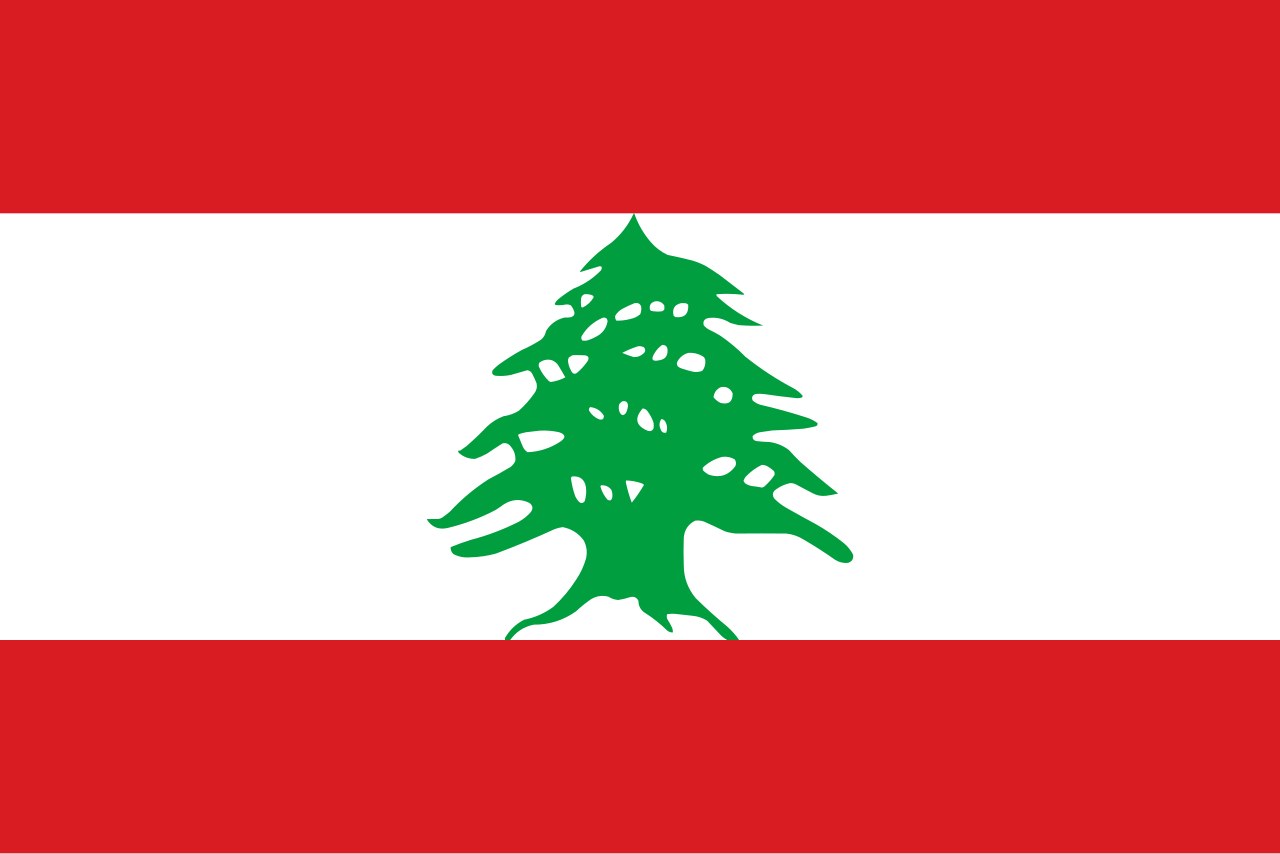
- Lebanon: A green cedar of Lebanon sits at the center of the white middle band, framed by two red horizontal stripes. The cedar is an ancient national symbol tied to biblical references and the country's mountain forests.
- Equatorial Guinea: The national coat of arms on the flag features a silk cotton tree (the ceiba, also called God's tree), under which the first treaty between Spain and a local ruler was reportedly signed.
- Belize: The coat of arms shows a mahogany tree, a nod to the logging trade that dominated the colonial economy of former British Honduras. The national motto below translates as "Under the shade I flourish."
- Norfolk Island: This Australian external territory flies a green-white-green flag with a Norfolk Island pine in the central band, the tall endemic conifer for which the island is famous.
- Haiti: The coat of arms centers on a royal palm topped with a cap of liberty, surrounded by cannons, flags, and drums, symbolizing independence won through revolution.
Flags Featuring Leaves & Branches
- Canada: A single stylized 11-point red maple leaf occupies the white central square, flanked by red bars. It is one of the most recognizable botanical symbols on any flag, adopted in 1965.
- Cyprus: Below a copper-colored map of the island sit two crossed green olive branches, representing the hope for peace between the island's Greek and Turkish communities.
- Eritrea: The red triangle carries a gold olive branch encircled by an olive wreath, echoing the emblem used by the independence movement and standing for peace and freedom.
Flags Featuring Crops
- Fiji: The shield on the flag is quartered with agricultural produce, including a bunch of bananas, a coconut palm, and stalks of sugarcane, alongside a dove of peace, reflecting the crops that sustain the islands.
- Grenada: A small yellow-bordered image of a nutmeg pod appears in the red band near the hoist, honoring the spice that earned Grenada the nickname "Isle of Spice." Six stars for the parishes and a seventh in the center complete the design.
What Plant Flags Mean
Plants tie a flag directly to the physical land and its history. A tree often signals permanence and rootedness, which is why Lebanon's cedar and Belize's mahogany carry so much weight. Leaves and branches, especially olive, almost always speak the universal language of peace, as they do for Cyprus and Eritrea. Crops such as Grenada's nutmeg and Fiji's sugarcane record how a nation actually made its living. Together these designs show that geography and economy, not just politics, shape the symbols a country raises over itself.
People Also Ask
Which flag has a maple leaf?
Canada's flag features a single red maple leaf on a white square between two red bars. The design, known as the Maple Leaf, was adopted on February 15, 1965, replacing earlier flags based on the British ensign.
Which country has a cedar tree on its flag?
Lebanon has a green cedar of Lebanon in the center of its flag. The cedar is an ancient symbol of the country, associated with strength, longevity, and the forests of Mount Lebanon.
Are there flags with crops or food plants on them?
Yes. Grenada's flag shows a nutmeg pod, Fiji's shield displays sugarcane, coconut, and bananas, and several coats of arms elsewhere feature agricultural produce. These crops highlight the plants central to each nation's economy.
Test Your Knowledge!
Think you know your world geography? Try our interactive quiz!
Play Geography Games →