

Over 30 countries have red, white, and blue flags: United States, United Kingdom, France, Russia, Netherlands, Thailand, Australia, New Zealand, Norway, Czech Republic, and many more.
Red, white, and blue is one of the most popular color combinations in national flags, used by over 30 countries from the United States to Thailand.
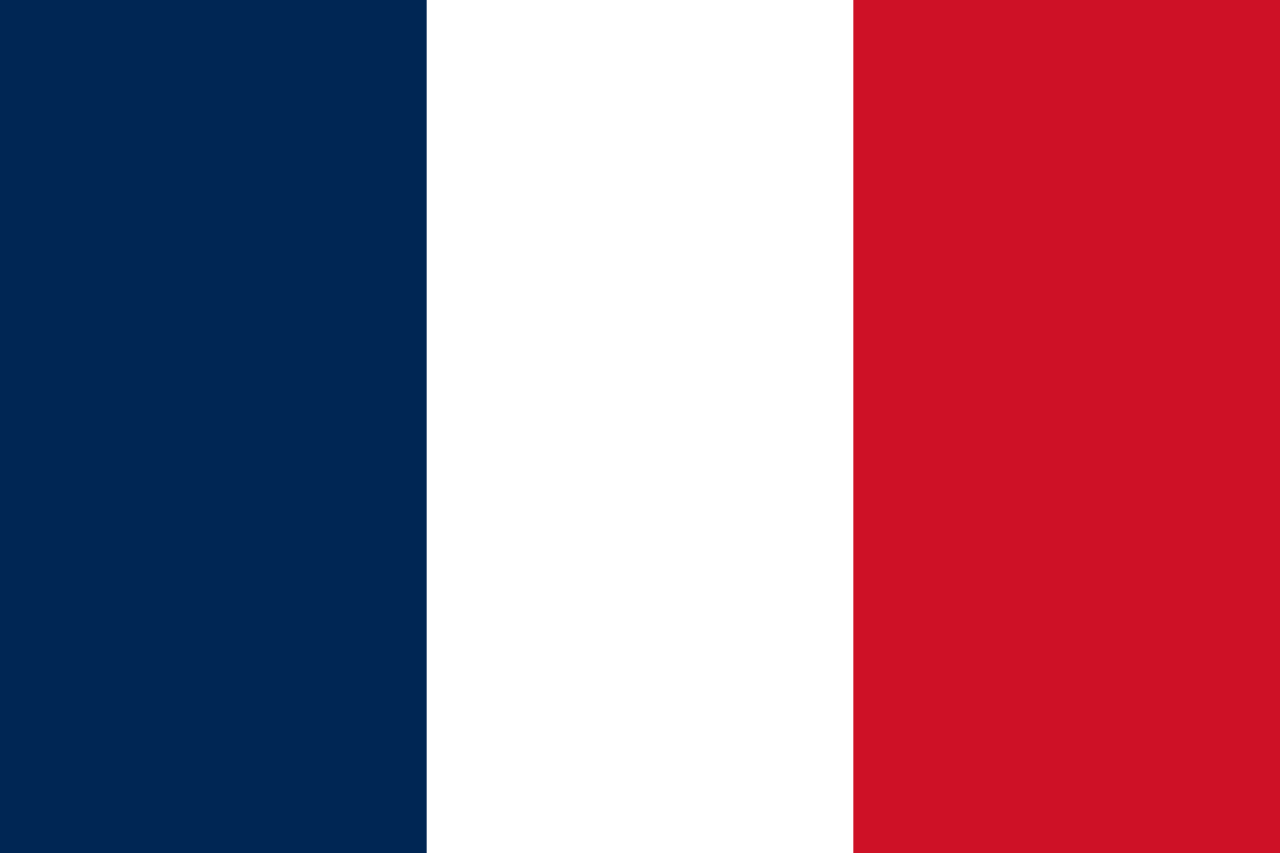
Countries With Red, White, and Blue Flags
- United States: Stars and Stripes — 13 red/white stripes, blue canton with 50 stars
- United Kingdom: Union Jack — red, white, and blue crosses of England, Scotland, and Ireland
- France: Tricolor — vertical blue, white, and red stripes
- Russia: Horizontal white, blue, and red stripes
- Netherlands: Horizontal red, white, and blue stripes
- Luxembourg: Horizontal red, white, and light blue stripes
- Thailand: Red, white, blue, white, red horizontal stripes
- Australia: Blue ensign with Union Jack and Southern Cross stars
- New Zealand: Blue ensign with Union Jack and four red stars
- Norway: Red with blue cross outlined in white
- Iceland: Blue with red cross outlined in white
- Czech Republic: White and red horizontal stripes with blue triangle
- Chile: White and red horizontal stripes with blue canton and white star
- Cuba: Blue and white stripes with red triangle and white star
- North Korea: Red, white, and blue horizontal stripes with red star
- South Korea: White with red and blue Taeguk (yin-yang) symbol
- Costa Rica: Blue, white, red, white, blue horizontal stripes
- Paraguay: Red, white, and blue horizontal stripes with emblem
- Dominican Republic: Red and blue quarters with white cross
- Panama: White, red, and blue quarters with stars
- Puerto Rico: Blue and white stripes with red triangle
- Cambodia: Blue, red, and blue stripes with white Angkor Wat
- Nepal: Red with blue borders (unique non-rectangular shape)
- Laos: Red, blue, red horizontal stripes with white circle
- Taiwan: Red with blue canton containing white sun
- Samoa: Red with blue canton containing white stars
- Croatia: Red, white, and blue horizontal stripes with coat of arms
- Slovenia: White, blue, and red horizontal stripes with coat of arms
- Slovakia: White, blue, and red horizontal stripes with coat of arms
- Serbia: Red, blue, and white horizontal stripes with coat of arms
- Liberia: Red and white stripes with blue canton and white star
Why Red, White, and Blue?
Red, white, and blue is one of the most common flag color combinations for several reasons. Red typically symbolizes valor, courage, and blood shed for independence. White represents peace, purity, and unity. Blue symbolizes justice, freedom, loyalty, and the sky or sea. The popularity of the French Tricolore after the French Revolution inspired many nations to adopt similar color schemes. The Pan-Slavic colors (blue, white, and red) also influenced numerous Slavic nations' flags.
Key Facts
- Over 30 sovereign nations use red, white, and blue in their flags.
- The French Tricolore (1794) popularized this color combination globally.
- Pan-Slavic colors (blue, white, red) influenced many Eastern European flags.
- Red, white, and blue are the three most common individual colors in world flags.
- The combination appears across every continent except Antarctica.
Fun Facts
- Thailand's flag was redesigned in 1917 specifically to include blue, after the king saw the original red-and-white flag displayed upside down.
- The Netherlands' flag (1572) is one of the oldest tricolors still in use.
- The US flag has had 27 versions, adding a star for each new state.
- Cuba and Puerto Rico's flags have the same colors but with inverted designs — this was intentional as a symbol of solidarity.
Final Thoughts
Red, white, and blue flags span every continent and represent nations of vastly different histories and cultures. Whether inspired by revolutionary France, Slavic heritage, or colonial connections to Britain, this powerful color combination continues to symbolize freedom and nationhood.
Test Your Knowledge!
Think you know your world geography? Try our interactive quiz!
Play Geography Games →