
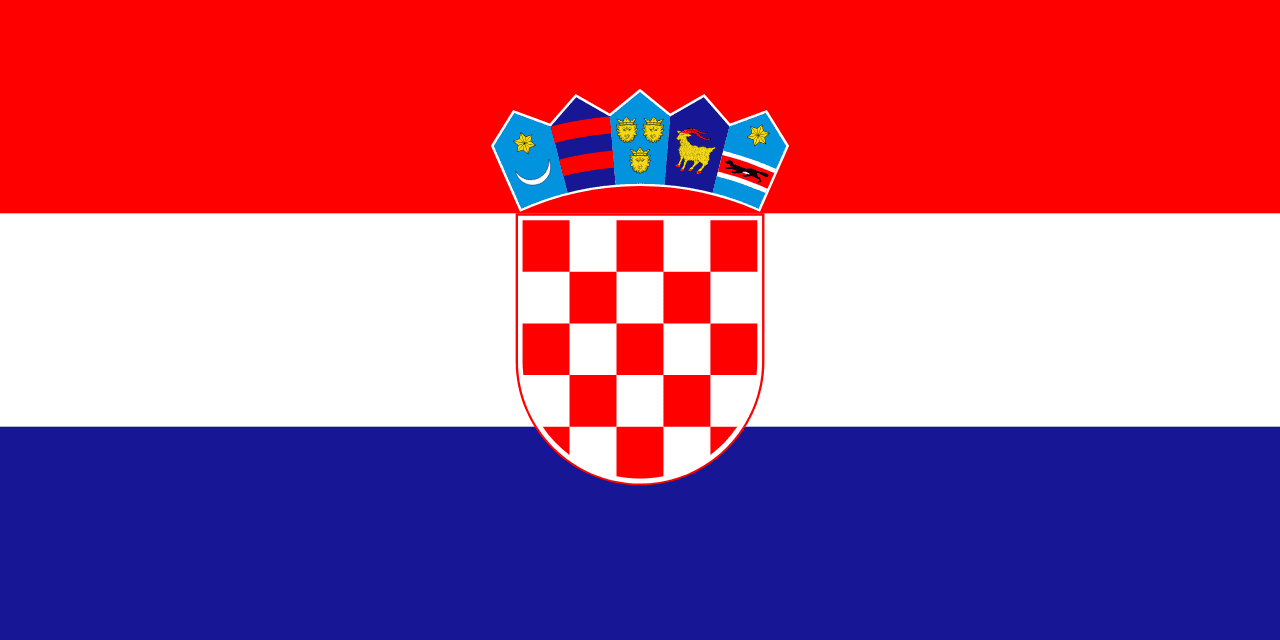
The de facto national sport of Croatia is football (soccer), the country's most popular and most successful athletic pursuit by a wide margin. While Croatia has never formally codified a national sport in law, football is universally recognised as the heartbeat of the nation's sporting identity, woven into local clubs, school playgrounds, and the streets of every town from Zagreb to Split.
Why Football Reigns in Croatia
For a country of roughly 3.8 million people, Croatia's footballing pedigree is astonishing. Since gaining independence in 1991, the national team has consistently punched far above its weight on the world stage. Football clubs such as Dinamo Zagreb and Hajduk Split command fierce loyalty, and their rivalry — known as the "Eternal Derby" — is one of the most passionate fixtures in European club football.
The sport's dominance is partly cultural and partly historical. Croatian children grow up playing in neighbourhood pitches, and the country's well-organised youth academies funnel talent into professional ranks. The result is a per-capita production of elite players that few nations can match. Football is not merely watched in Croatia; it is lived, debated in cafés, and celebrated as a symbol of national pride.
A Record That Defies Population Size
Croatia's achievements on the global stage read like those of a far larger nation. The men's national team has reached the top four of the FIFA World Cup multiple times in just three decades of competing as an independent country.
- 2018 World Cup: Croatia reached the final for the first time, finishing as runners-up to France after a thrilling tournament run.
- 2022 World Cup: The team claimed third place, defeating Morocco in the play-off and confirming their status as a consistent powerhouse.
- 1998 World Cup: In their debut as an independent nation, Croatia finished third, with striker Davor Šuker winning the Golden Boot as the tournament's top scorer.
These results mean Croatia has produced more World Cup top-four finishes per capita than virtually any other footballing nation in history — a remarkable feat for a country smaller in population than many single cities.
Legendary Players and the Modrić Era
Croatia's success rests on a lineage of world-class talent. The current era is defined by Luka Modrić, the elegant midfielder who in 2018 won the Ballon d'Or — the award given to the world's best player — breaking the decade-long duopoly held by Lionel Messi and Cristiano Ronaldo. Modrić also claimed the Golden Ball as the best player at the 2018 World Cup.
He stands alongside earlier icons such as Davor Šuker, Zvonimir Boban, and Robert Prosinečki, members of the celebrated 1998 generation. More recent stars including Ivan Rakitić, Mateo Kovačić, and Joško Gvardiol have carried that tradition forward, often playing for Europe's biggest clubs in England, Spain, Germany, and Italy. The instantly recognisable red-and-white checkerboard jersey — drawn from the Croatian coat of arms — has become a familiar sight at major tournaments worldwide.
Beyond Football: Other Croatian Sporting Strengths
Although football sits at the summit, Croatians excel across a surprising range of disciplines, reflecting a broad and athletic sporting culture.
- Handball: Croatia is a perennial medal contender, having won Olympic gold in 1996 and 2004, plus multiple World and European Championship medals.
- Basketball: The country produced NBA greats such as the late Dražen Petrović and Toni Kukoč, and remains competitive internationally.
- Water polo: A traditional powerhouse, Croatia won Olympic gold in 2012 and regularly tops world rankings.
- Tennis: Goran Ivanišević won Wimbledon in 2001, and Marin Čilić captured the US Open in 2014, while the nation has lifted the Davis Cup.
- Skiing: Janica and Ivica Kostelić became Alpine skiing legends, with Janica winning four Olympic gold medals.
This versatility underlines how deeply sport is embedded in Croatian life — but in terms of popularity, national obsession, and emotional resonance, football remains unrivalled.
A Symbol of National Identity
Football in Croatia carries meaning far beyond the pitch. The team's rise coincided with the country's emergence as a young, independent state, and major tournament successes have triggered nationwide celebrations, with hundreds of thousands gathering in city squares to welcome the players home. The sport became a vehicle for projecting Croatian identity onto the global stage, turning a small Balkan nation into a household name among football fans everywhere. For a fuller picture of the country's geography, climate, and culture, see our croatia country guide.
Frequently Asked Questions
What is the national sport of Croatia?
Football (soccer) is the de facto national sport of Croatia. It is the most popular and most successful sport in the country, even though Croatia has not officially designated a national sport in law.
Why is football so popular in Croatia?
Football is popular because of the country's strong club tradition, well-developed youth academies, and the national team's extraordinary international success — including a World Cup final, two third-place finishes, and a Ballon d'Or winner in Luka Modrić.
Has Croatia ever won the World Cup?
Croatia has not won the World Cup, but the team reached the final in 2018, finishing as runners-up to France, and earned third place in both 1998 and 2022.
What other sports are Croatians good at?
Beyond football, Croatia excels in handball, water polo, basketball, tennis, and Alpine skiing, winning Olympic and world titles across all of these disciplines.
