
The de-facto national sport of Ghana is football (soccer), the game that dominates the country's stadiums, streets, and national identity more than any other. While Ghana has never formally enshrined a national sport in law, football is so deeply woven into daily life that it is universally accepted as the nation's sporting symbol. From dusty neighborhood pitches in Accra and Kumasi to the roar of a packed Baba Yara Stadium, the sport unites Ghanaians across ethnic, regional, and generational lines.
Why Football Reigns Supreme
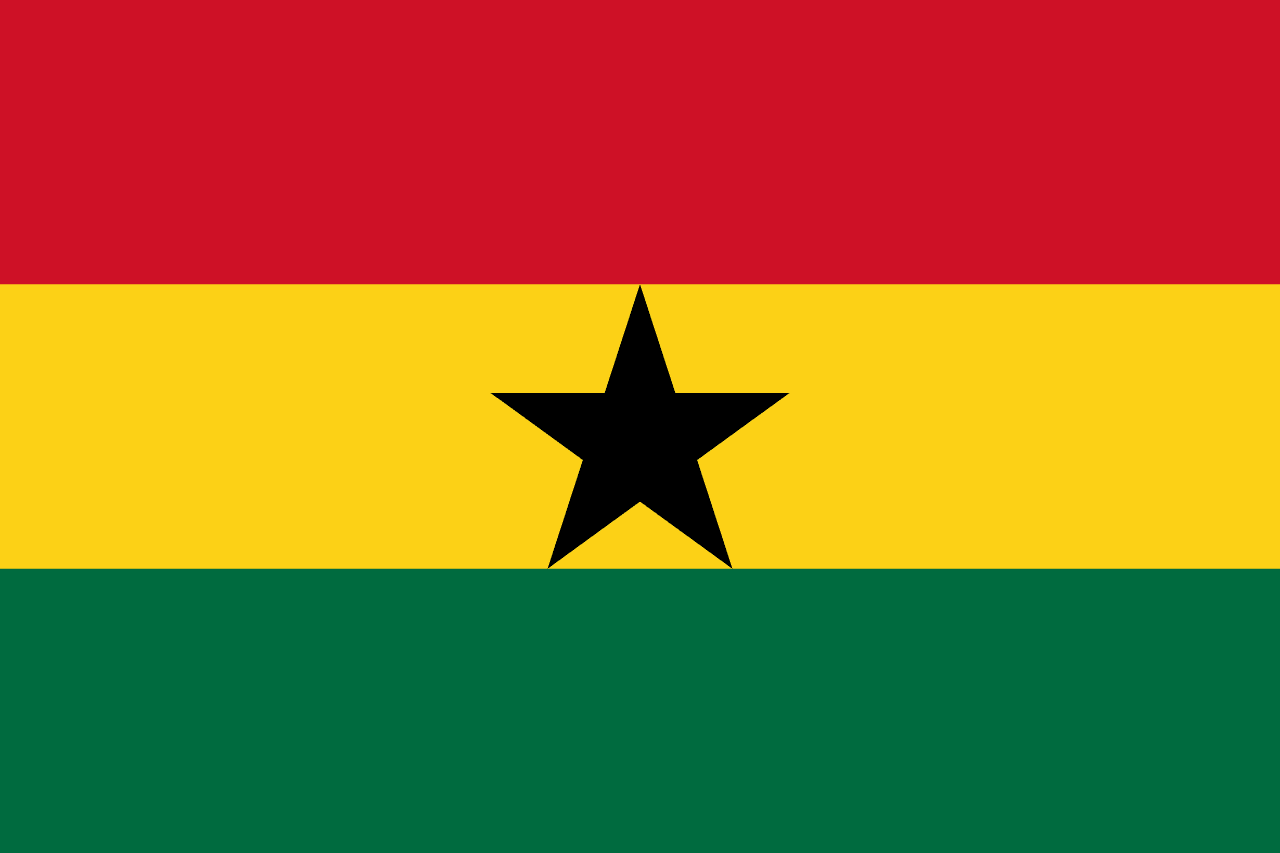
Football took hold in Ghana during the colonial era and exploded in popularity after independence in 1957. The country's first president, Kwame Nkrumah, recognized the unifying power of the game and personally championed the national team. He gave the squad the nickname the "Black Stars" — drawn from the black star at the center of the Ghanaian flag, itself a symbol of African freedom borrowed from Marcus Garvey's Black Star Line.
Football's appeal in Ghana lies in its accessibility. The game requires little more than a ball and an open space, making it the natural pastime for children in every village and city. Local league matches, neighborhood derbies, and the storied rivalry between Accra's Hearts of Oak and Kumasi's Asante Kotoko draw passionate crowds. These two clubs are among the most successful and beloved football institutions in all of Africa.
The Black Stars and Continental Glory
Ghana's senior men's national team, the Black Stars, ranks among the most decorated sides on the continent. The team has won the Africa Cup of Nations four times — in 1963, 1965, 1978, and 1982 — placing Ghana among the most successful nations in the tournament's history. During the 1960s and 1970s, the Black Stars were widely regarded as the kings of African football.
On the global stage, Ghana made history at the 2010 FIFA World Cup in South Africa, becoming only the third African nation ever to reach the quarter-finals. That run remains the closest any African team has come to reaching a World Cup semi-final. Striker Asamoah Gyan, one of Ghana's greatest players, became Africa's all-time leading scorer at the World Cup finals.
- Africa Cup of Nations titles: 4 (1963, 1965, 1978, 1982)
- World Cup appearances: 2006, 2010, 2014, 2022
- Best World Cup finish: Quarter-finals (2010)
- Youth success: FIFA U-20 World Cup champions in 2009
A Powerhouse of Youth Development
Ghana is especially renowned for its youth football. The nation became the first African country to win the FIFA U-17 World Cup, claiming the title in 1991 and again in 1995. In 2009, Ghana's under-20 side won the FIFA U-20 World Cup, defeating Brazil in the final — the first African team to lift that trophy. This pipeline of talent has fed Europe's top leagues for decades, with stars such as Abedi Pele, Michael Essien, Sulley Muntari, and the Ayew brothers building careers at elite clubs.
This conveyor belt of talent reflects a deep grassroots culture, where academies and informal "colts" leagues nurture young players from an early age. Football is more than recreation in Ghana; for many young people it represents a genuine path to economic opportunity and global recognition.
The Suárez Heartbreak of 2010
No discussion of Ghanaian football is complete without recalling the 2010 World Cup quarter-final against Uruguay. With the score level in the dying seconds of extra time, Ghana headed a goal-bound shot toward an empty net — only for Uruguay's Luis Suárez to deliberately block it with his hands on the goal line. Suárez was sent off, but Ghana's Asamoah Gyan struck the resulting penalty against the crossbar. Uruguay then won the ensuing shootout, ending Ghana's dream and one of the cruellest moments in World Cup history. The match still stirs strong emotions across the continent.
Beyond Football: Other Popular Sports
While football stands alone at the top, Ghana has a proud tradition in other sports. Boxing is the nation's second-strongest discipline, having produced world champions including the legendary Azumah "The Professor" Nelson, widely considered one of Africa's greatest boxers of all time. Athletics, with sprinters and middle-distance runners, also enjoys a following, and traditional games remain part of community life. For a broader look at the country's geography and culture, see the ghana country guide.
Frequently Asked Questions
What is the national sport of Ghana?
Football (soccer) is the de-facto national sport of Ghana. Although not formally written into law, it is universally recognized as the country's sporting identity, played and followed by Ghanaians of all ages and backgrounds.
What is Ghana's national football team called?
Ghana's senior men's national team is nicknamed the Black Stars, after the black star at the center of the national flag. The women's team is known as the Black Queens, and youth sides carry related names such as the Black Satellites.
How successful is Ghana at football?
Ghana has won the Africa Cup of Nations four times and reached the FIFA World Cup quarter-finals in 2010. At youth level, Ghana has won the FIFA U-17 World Cup twice and the FIFA U-20 World Cup, making it one of Africa's most decorated footballing nations.
What other sports are popular in Ghana?
Boxing is Ghana's second most prominent sport, with world champions like Azumah Nelson. Athletics and various traditional games are also enjoyed across the country, though none rival the popularity of football.
