
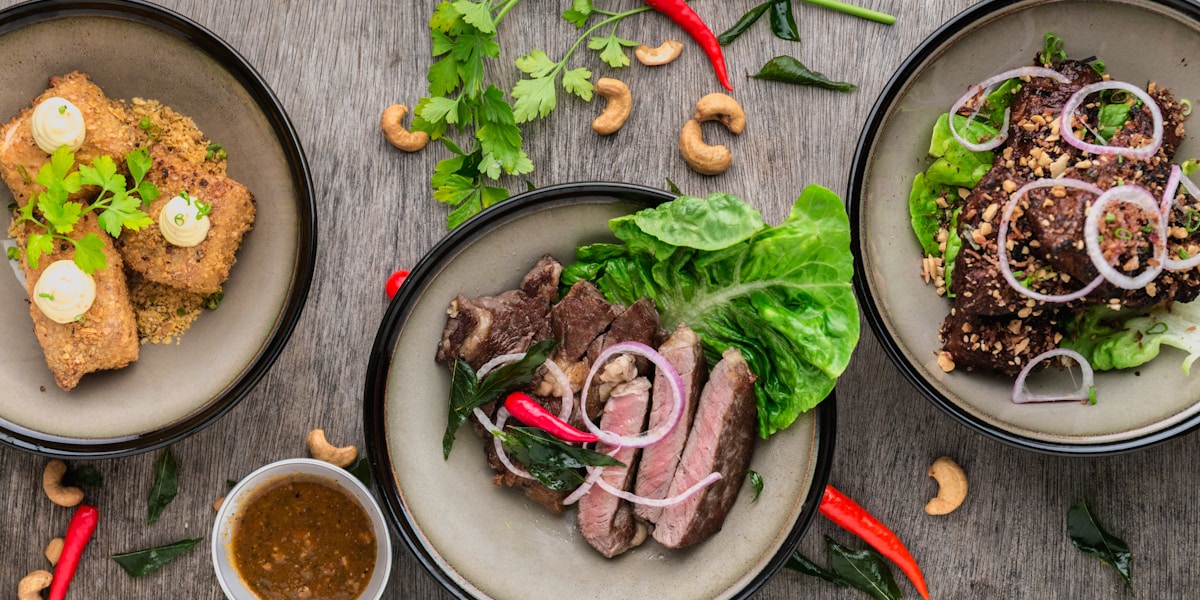
The traditional food of the USA includes the hamburger, regional barbecue, fried chicken, hot dogs, New England clam chowder, mac and cheese, New York-style pizza, Buffalo wings, Tex-Mex, gumbo, cheesecake, apple pie, pecan pie, chocolate chip cookies, and the Thanksgiving turkey dinner. American cuisine is not one single tradition but a patchwork of regional cooking styles built by immigrants, Indigenous ingredients, and a national appetite for invention.
15 Must-Try American Dishes
If you want to eat your way through the United States, these are the dishes that define the national table:
- Hamburger — a grilled beef patty in a soft bun, the most globally recognized American food.
- Barbecue — slow-smoked brisket, ribs, and pulled pork, each region with its own sauce and method.
- Fried chicken — brined, battered, and deep-fried, with deep roots in Southern and African American cooking.
- Hot dog — a frankfurter in a bun, dressed differently in every major city.
- New England clam chowder — a thick, creamy soup of clams, potatoes, and salt pork.
- Mac and cheese — baked elbow macaroni in cheese sauce, the country's favorite comfort food.
- New York-style pizza — large, thin, foldable slices brought over by Italian immigrants.
- Buffalo wings — fried wings in cayenne-butter sauce, invented in Buffalo, New York, in 1964.
- Tex-Mex — chili con carne, fajitas, and nachos blending Texan and Mexican traditions.
- Gumbo — a Louisiana stew of okra, seafood or sausage, and a dark roux.
- Cheesecake — dense, creamy New York-style cake on a graham-cracker crust.
- Apple pie — a spiced double-crust pie that became shorthand for the nation itself.
- Pecan pie — a gooey Southern dessert, especially popular at Thanksgiving.
- Chocolate chip cookie — invented at the Toll House Inn in 1938.
- Thanksgiving turkey dinner — roast turkey with stuffing, cranberry sauce, and pumpkin pie.
Regional Barbecue: America's Greatest Food Rivalry
No food sparks more debate in the United States than barbecue, because there is no single American barbecue — there are several, each fiercely defended. Texas is brisket country, where beef is rubbed simply and smoked low and slow over post oak for many hours. Kansas City favors a thick, sweet, tomato-and-molasses sauce slathered over ribs and burnt ends. The Carolinas split over pork: eastern North Carolina uses a tangy vinegar-and-pepper sauce, while South Carolina is famous for a mustard-based "Carolina gold." Memphis is known for dry-rubbed ribs seasoned with spice rather than drowned in sauce. These styles reflect local agriculture, history, and pride, and asking which is "best" is one of the surest ways to start a friendly argument anywhere in the country.
How Immigration Shaped the American Plate
American cuisine is often called a melting pot, and most of its iconic dishes trace back to communities who arrived from elsewhere. The hot dog and the hamburger evolved from German sausage and Hamburg-style beef. Pizza and red-sauce pasta came with Italian immigrants who settled in cities like New York, New Haven, and Chicago. Tex-Mex grew along the Texas-Mexico border, while Cajun and Creole cooking in Louisiana fused French, West African, Spanish, and Indigenous ingredients into dishes like gumbo and jambalaya. Fried chicken and many soul-food staples were refined by enslaved and later free African Americans in the South. Even the chili pepper heat in Southwestern food reflects centuries of Mexican and Native influence. The result is a national cuisine defined less by a fixed set of recipes than by constant blending and reinvention.
Native Ingredients and Holiday Traditions
Long before these immigrant influences, the land itself supplied foods now central to American eating: corn (maize), turkey, squash, beans, cranberries, blueberries, pecans, and maple syrup all originate in the Americas. These ingredients anchor the country's most important food holiday, Thanksgiving, when families gather for roast turkey, stuffing, mashed potatoes, cranberry sauce, and pumpkin or pecan pie. Tens of millions of turkeys are eaten on that single day, making it the largest shared meal on the American calendar. Other regional traditions celebrate local bounty too — New England clambakes, Southern Sunday suppers, Hawaiian poke and plate lunches, and the crawfish boils of Louisiana each reflect what the surrounding land and water provide.
Snacks, Sweets, and Iconic Drinks
American food culture also lives in its snacks and sweets. Buffalo wings, nachos, and chili dogs are stadium and bar staples, while the chocolate chip cookie, brownie, and New York cheesecake dominate the dessert table. Diner culture gave the country milkshakes, pancakes with maple syrup, and bottomless cups of coffee. On the drinks side, bourbon — an American whiskey made mostly from corn and aged in new charred oak barrels — is produced overwhelmingly in Kentucky. Coca-Cola, invented in Atlanta in 1886, became one of the world's most recognized brands, and a modern craft-beer movement has given the United States thousands of independent breweries producing everything from hoppy IPAs to barrel-aged stouts.
Frequently Asked Questions
What is the national dish of the USA?
The United States has no official national dish, but the hamburger is the most widely recognized symbol of American food, alongside apple pie, which inspired the phrase "as American as apple pie."
What food is the USA most famous for?
The USA is most famous internationally for fast and casual foods such as hamburgers, hot dogs, fried chicken, pizza, and barbecue, along with sodas like Coca-Cola.
Is American food just fast food?
No. While fast food spread American eating worldwide, traditional cuisine includes rich regional traditions like Cajun gumbo, Southern soul food, New England seafood, Tex-Mex, and Hawaiian dishes.
Where can I learn more about the country itself?
For geography, regions, and travel context, see our usa country guide for a fuller picture of the United States.
