

The Triangular Trade was a three-legged transatlantic commerce system that operated from the 16th to the 19th century, connecting Europe, West Africa, and the Americas in a network of exploitation and profit. On its most infamous leg, the Middle Passage, an estimated 12.5 million enslaved Africans were forcibly transported across the Atlantic Ocean.
Introduction
The system was called "triangular" because ships followed a roughly triangular path across the Atlantic. European manufactured goods sailed to West Africa, where they were exchanged for enslaved people. The enslaved were transported to the Americas, where they were sold to work plantations. Plantation products like sugar, tobacco, and cotton then sailed back to Europe, completing the triangle.
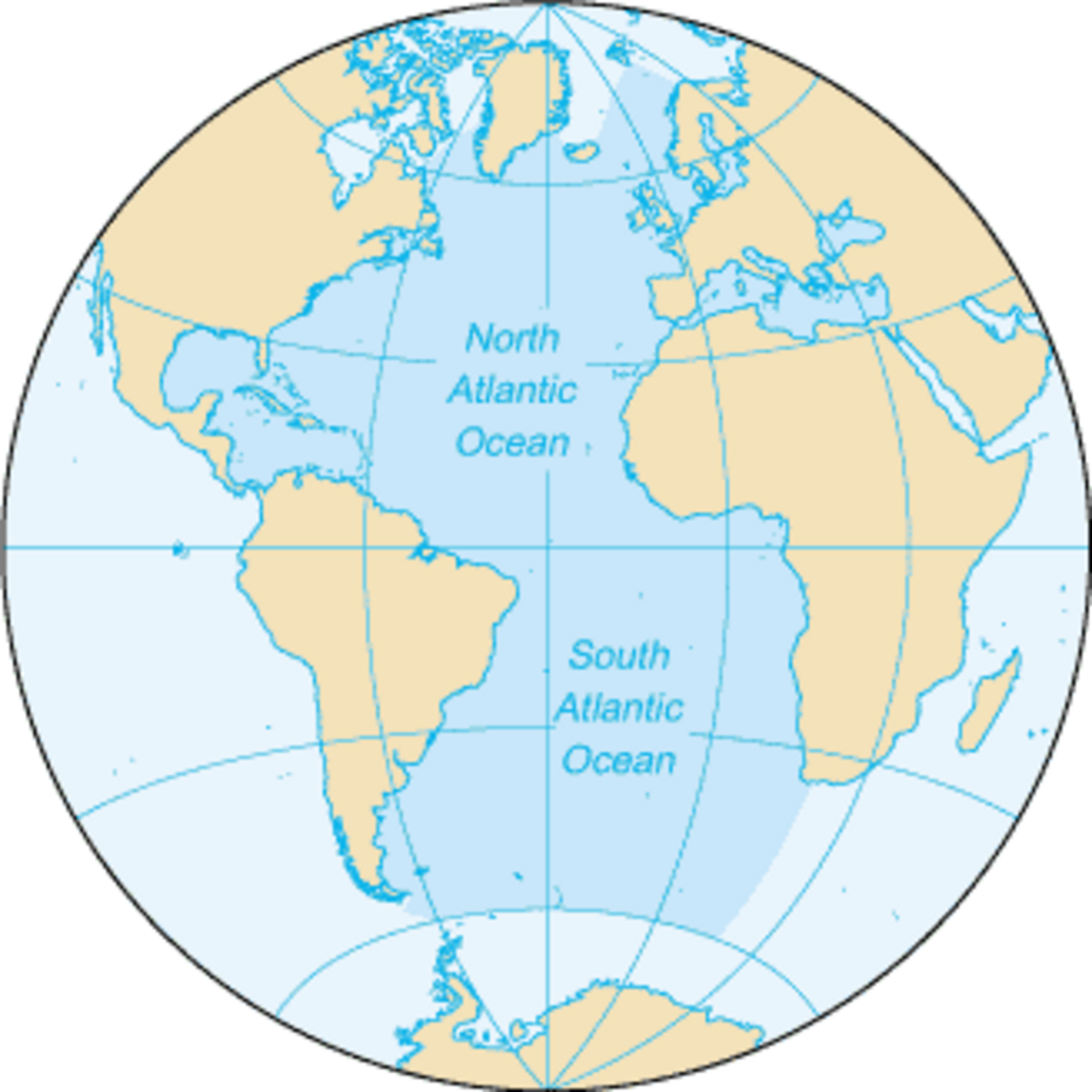
Route Geography
- Leg 1: Europe to West Africa (~5,000 km)
- Leg 2 (Middle Passage): West Africa to Americas (~8,000 km)
- Leg 3: Americas to Europe (~6,000 km)
The first leg carried manufactured goods from European ports like Liverpool, Bristol, Nantes, and Amsterdam to trading posts along the West African coast from Senegal to Angola. Iron goods, textiles, firearms, alcohol, and beads were exchanged for enslaved people captured through warfare, raids, or judicial processes in the African interior.
The Middle Passage, the second and most horrific leg, carried enslaved people across the Atlantic to the Caribbean, Brazil, and the southern colonies of North America. The crossing took six to twelve weeks under appalling conditions. Enslaved people were packed into ship holds with barely enough room to lie down, and mortality rates averaged 15 percent.
What Was Traded
- To Africa: Firearms, textiles, iron, rum, beads
- To Americas: Enslaved people (12.5 million total)
- To Europe: Sugar, tobacco, cotton, rum, indigo
Sugar was the most profitable commodity driving the Triangular Trade. Caribbean sugar plantations, worked almost entirely by enslaved labor, produced enormous wealth for European investors. By the 18th century, sugar accounted for a larger share of European trade than any other commodity, and the tiny island of Saint-Domingue (Haiti) was France's most valuable colonial possession.
Cotton became increasingly important in the 18th and 19th centuries, fueling the Industrial Revolution in Britain. Southern American plantations produced raw cotton that was shipped to English mills, where it was manufactured into textiles and partly shipped back to Africa to purchase more enslaved people, creating a self-reinforcing cycle of exploitation.
Key Cities & Stops
- European Ports: Liverpool, Bristol, Nantes, Amsterdam
- African Ports: Cape Coast, Elmina, Ouidah, Luanda
- American Ports: Kingston, Havana, Charleston, Salvador
Liverpool became the largest slave trading port in the world by the late 18th century, with ships making over 5,000 voyages to Africa. The city's wealth was built directly on the trade, funding grand buildings and institutions that still stand today. Bristol, London, and Nantes in France were other major departure points.
On the African coast, fortified trading posts known as "slave castles" served as holding points for enslaved people awaiting transport. Cape Coast Castle and Elmina Castle in modern Ghana, both now UNESCO World Heritage Sites, held hundreds of people in cramped underground dungeons before they were loaded onto ships through the "Door of No Return."
Cultural Exchange
- Diaspora: African cultural traditions spread to the Americas
- Music: Blues, jazz, samba, reggae rooted in African traditions
- Cuisine: West African food traditions influenced American and Caribbean cooking
The forced migration of millions of Africans created a vast diaspora that profoundly influenced the cultures of the Americas. African musical traditions gave rise to blues, jazz, samba, reggae, and numerous other genres. African spiritual practices blended with Christianity to create religions like Vodou in Haiti and Candomble in Brazil.
African agricultural knowledge was deliberately exploited by slaveholders. Enslaved Africans brought expertise in rice cultivation to the Carolina Lowcountry, indigo processing to the Caribbean, and various crop management techniques that were essential to plantation agriculture. Their knowledge was stolen along with their freedom.
Legacy & Modern Connections
- Duration: Approximately 1500-1870
- Abolition: Britain banned slave trade in 1807, slavery in 1833
- Reparations: Ongoing global debate about historical accountability
The Triangular Trade fundamentally shaped the modern world. It fueled the capital accumulation that funded the Industrial Revolution, created the racial hierarchies that still structure societies in the Americas, and devastated West African populations and political structures for generations.
The legacy of the Triangular Trade remains deeply contested. Movements for reparations and historical accountability continue to grow. Former slave trading ports like Liverpool and Nantes have established museums and memorials acknowledging their role, while UNESCO's Slave Route Project works to preserve the memory of this chapter of history.
Key Facts
- An estimated 12.5 million enslaved Africans were transported across the Atlantic.
- The Middle Passage crossing took 6 to 12 weeks with a mortality rate averaging 15 percent.
- Sugar was the most profitable commodity driving the Triangular Trade.
- Liverpool became the world's largest slave trading port by the late 18th century.
- Britain abolished the slave trade in 1807 and slavery itself in 1833.
Fun Facts
- The tiny island of Saint-Domingue (Haiti) was once France's most valuable colonial possession due to sugar.
- Enslaved Africans brought rice cultivation expertise that made the Carolina Lowcountry enormously profitable.
- Cape Coast Castle in Ghana still has the "Door of No Return" through which enslaved people were loaded onto ships.
- The slave ship Brookes became a symbol of abolition when its diagram showed 454 people packed into the hold.
Final Thoughts
The Triangular Trade was one of history's most destructive commercial systems, forcibly transporting millions of people across the Atlantic and reshaping the economies, demographics, and cultures of three continents. Understanding its geography helps us grasp the scale of this tragedy and its enduring legacy in the modern world.
Test Your Knowledge!
Think you know your world geography? Try our interactive quiz!
Play Geography Games →