
A canal is an artificial waterway — a channel dug by humans — designed to carry water for navigation, irrigation, or water supply. Unlike natural rivers and streams, canals follow planned routes, maintain controlled water levels, and often use locks, pumps, or aqueducts to overcome changes in elevation.
Introduction
Canals have been built for over 4,000 years and have profoundly shaped human civilization. The Suez and Panama Canals revolutionized global shipping by eliminating the need for ships to sail around entire continents. Irrigation canals have transformed arid regions into productive farmland, and urban canals in cities like Amsterdam and Venice define the character of entire communities.
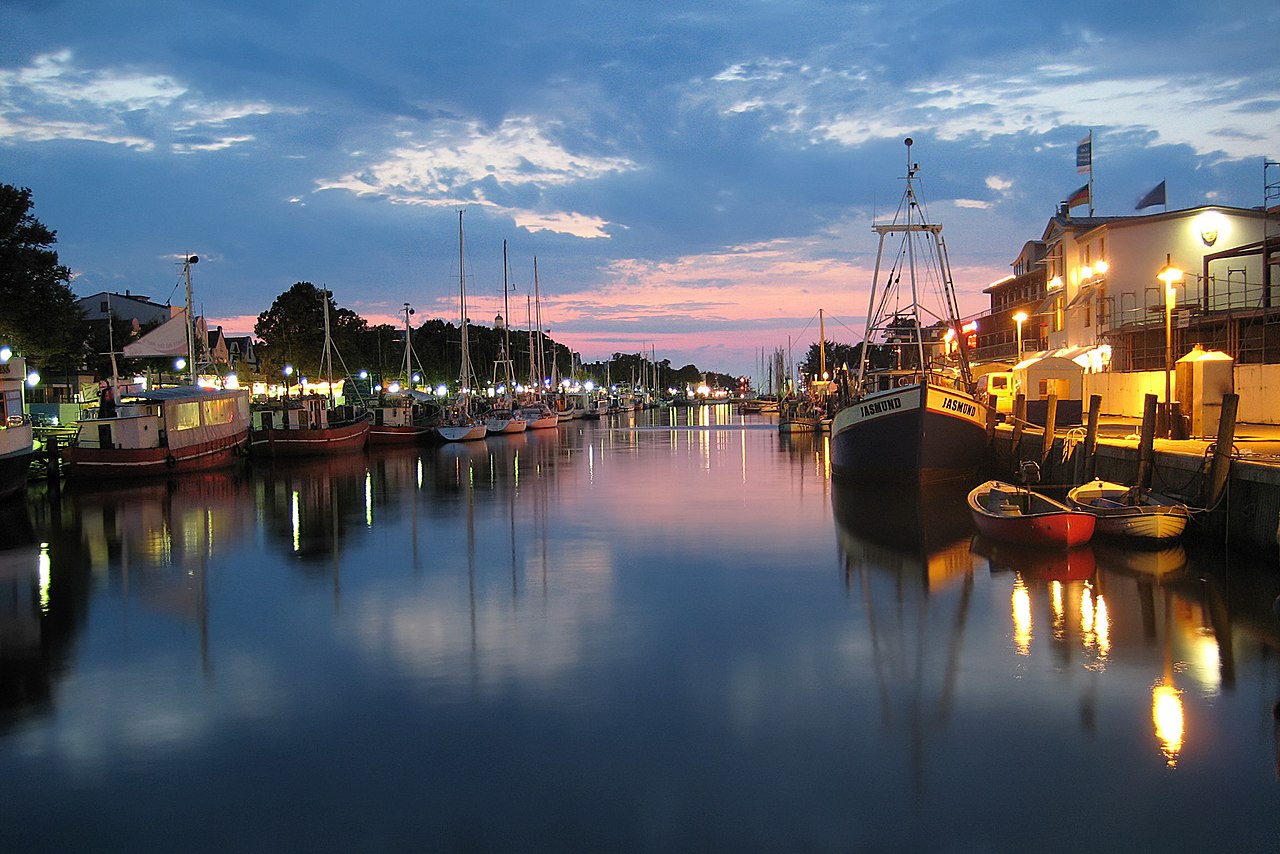
Definition & Types
- Navigation Canal: Built for ship and boat travel, often with locks (e.g., Panama Canal)
- Irrigation Canal: Diverts water from rivers to farmland (e.g., the qanat systems of Iran)
- Ship Canal: Large enough for seagoing vessels, often connecting oceans (e.g., Suez Canal)
- Drainage Canal: Built to remove excess water from low-lying areas (e.g., Dutch polders)
Navigation canals are the most famous type, connecting waterways to create continuous routes for boat traffic. They often use locks — enclosed chambers that raise or lower water levels — to move boats between sections at different elevations. The Panama Canal uses a series of locks to lift ships 26 meters above sea level and back down again.
Irrigation canals are arguably more important to human survival, as they have enabled agriculture in arid regions for millennia. Ancient Mesopotamia, Egypt, and China all developed sophisticated canal irrigation systems. Today, massive irrigation canal networks in India, Pakistan, and the western United States support agriculture that feeds billions of people.
How Canals Work
- Locks: Enclosed chambers that raise or lower boats between different water levels
- Aqueducts: Bridges that carry canal water over valleys or roads
- Summit Level: The highest point of a canal, often requiring water to be pumped uphill
- Towpaths: Paths alongside canals, historically used by horses or mules towing boats
The most elegant engineering feature of canals is the lock. A ship enters an enclosed chamber, gates close behind it, and water is added or drained to match the level on the other side. This simple principle allows canals to cross hills and mountains. The Panama Canal's Gatun Locks raise ships 26 meters in three steps, while the Three Gorges ship lock in China raises vessels 113 meters in five stages.
Maintaining water supply at the summit level — the highest point of the canal — is one of the greatest challenges in canal engineering. Reservoirs, feeder streams, and pumping stations are used to keep the canal filled. The Panama Canal solved this by creating Gatun Lake, a large artificial lake that provides both the water for the locks and a navigable route through the canal's center.
Famous Canals
- Suez Canal, Egypt: 193 km long, connecting the Mediterranean and Red Sea since 1869
- Panama Canal, Panama: 82 km long, linking the Atlantic and Pacific since 1914
- Grand Canal, China: The world's longest canal at 1,776 km, built over 2,000 years
- Erie Canal, USA: Connected the Great Lakes to New York City, fueling westward expansion
- Venice Canals, Italy: A network of 150+ canals serving as streets in a car-free city
The Suez Canal eliminated the need to sail around Africa, reducing the sea route from Europe to Asia by roughly 7,000 kilometers. About 12 percent of global trade passes through it. When the container ship Ever Given blocked the canal for six days in 2021, it caused an estimated $9.6 billion per day in disrupted trade.
China's Grand Canal, stretching 1,776 kilometers from Beijing to Hangzhou, is the longest canal ever built and remains in active use after more than 2,400 years. It linked the rice-growing south with the political capitals of the north, enabling China's economic integration and imperial administration.
Economic & Historical Impact
- Trade Revolution: Ship canals eliminated weeks or months from global trade routes
- Industrial Growth: Canal networks powered the Industrial Revolution by moving coal and goods
- Urban Development: Canal cities like Amsterdam and Venice were built around waterways
Before railroads, canals were the most efficient way to move heavy goods overland. Britain's canal mania of the late 1700s created a network of over 6,400 kilometers of navigable waterways that powered the Industrial Revolution by enabling cheap transport of coal, iron, and manufactured goods. Similar canal-building booms occurred in France, the Netherlands, and the United States.
The economic impact of the Suez and Panama Canals is difficult to overstate. The Panama Canal saves ships approximately 12,500 kilometers compared to sailing around South America. Together, these two canals handle a significant fraction of global maritime trade and have shaped the economic geography of entire regions.
Canals Today & Future
- Panama Canal Expansion: Completed in 2016, allowing larger Neo-Panamax ships
- Suez Canal Widening: Ongoing expansions to handle growing trade volumes
- Proposed Canals: Nicaragua Canal and Kra Canal (Thailand) have been proposed but face challenges
Modern canal engineering continues to evolve. The Panama Canal completed a major expansion in 2016, adding a new set of larger locks that can accommodate Neo-Panamax ships carrying up to 14,000 containers, nearly triple the capacity of the original locks. The Suez Canal was widened in 2015 with a parallel channel that allows two-way traffic along much of its length.
Several ambitious new canal projects have been proposed, including a canal across Nicaragua as an alternative to Panama and the Kra Canal across southern Thailand to bypass the Strait of Malacca. However, these projects face enormous financial, engineering, and environmental challenges and remain uncertain.
Key Facts
- A canal is a human-made waterway for navigation, irrigation, or water supply.
- The Suez Canal carries about 12% of global trade between the Mediterranean and Red Sea.
- The Panama Canal uses locks to raise and lower ships 26 meters above sea level.
- China's Grand Canal is the world's longest at 1,776 km and has been in use for over 2,400 years.
- Canal locks are enclosed chambers that raise or lower boats between different water levels.
Fun Facts
- When the Ever Given blocked the Suez Canal in 2021, it held up an estimated $9.6 billion in trade per day.
- The Panama Canal uses 200 million liters of fresh water every time a ship passes through its locks.
- Venice has over 150 canals and 400 bridges, and residents still use boats as their primary transportation.
- The Erie Canal was so successful that New York City overtook Philadelphia as America's largest city.
Final Thoughts
Canals are among humanity's most transformative engineering achievements. From ancient irrigation ditches to the massive ship canals that reshape global trade routes, these artificial waterways demonstrate our ability to alter geography itself. Whether carrying container ships between oceans or gondolas through Venice, canals continue to connect communities, move goods, and shape the world.
Test Your Knowledge!
Think you know your geographic terms? Test your knowledge with our quiz games!
Play Geography Games →