
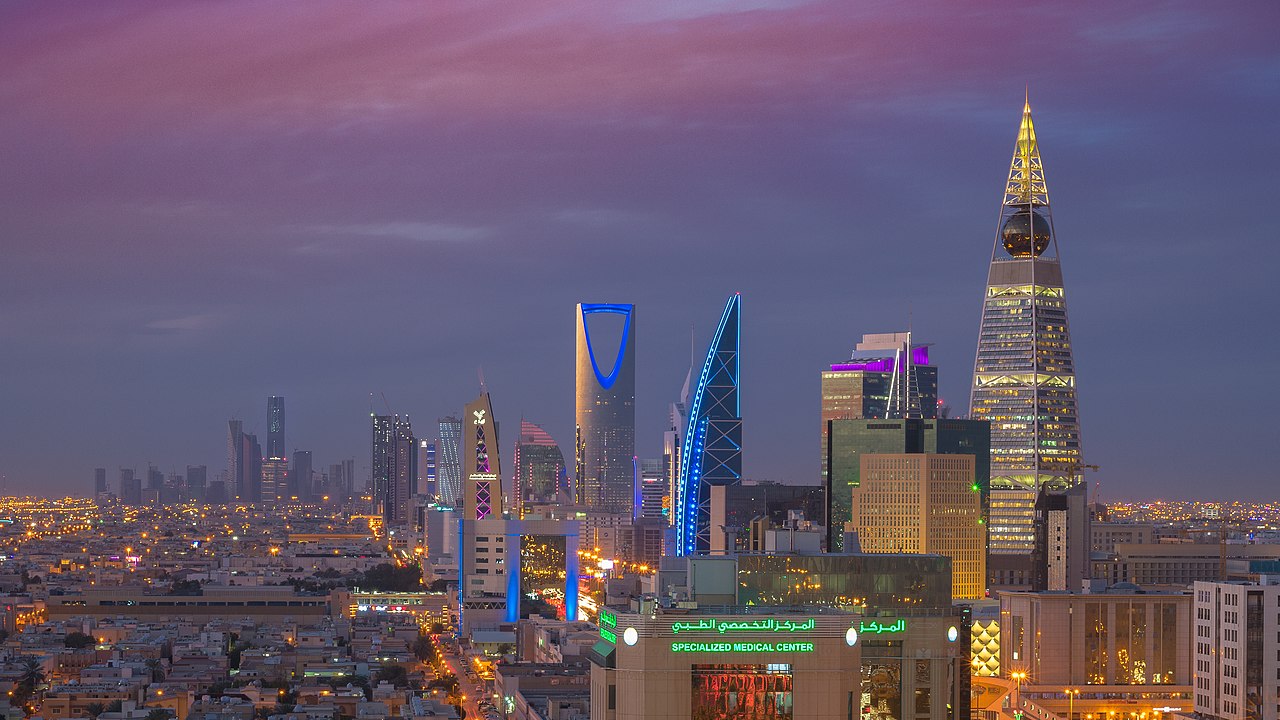
Saudi Arabia does not have states; it is divided into 13 regions (called manatiq in Arabic), which serve as the country's primary administrative units. People searching for the "states" of Saudi Arabia are usually looking for these 13 regions, each governed by a regional governor (emir) and further split into smaller districts called governorates.
The 13 Regions of Saudi Arabia
Saudi Arabia is a unitary monarchy, so it has no federated states in the way the United States or Germany do. Instead, the kingdom is organized into 13 administrative regions. Each region has a capital city, an appointed governor of princely rank, and a regional council that advises on local development. The complete list is:
- Riyadh — home to the national capital, Riyadh
- Makkah (Mecca) — includes the holy city of Mecca and the port city of Jeddah
- Madinah (Medina) — site of the Prophet's Mosque
- Qassim — a central agricultural heartland
- Eastern Province (Ash Sharqiyah) — the largest region by area
- Asir — a green, mountainous southwestern region
- Tabuk — in the northwest, near the Red Sea
- Hail — a northern region known for desert landscapes
- Northern Borders (Al Hudud ash Shamaliyah)
- Jazan — a small but densely populated coastal region
- Najran — bordering Yemen in the south
- Al Bahah — the smallest region by area
- Al Jawf — in the far north
Largest and Most Populated Regions
The Eastern Province is by far the largest region by land area, covering roughly 540,000 square kilometres along the Persian Gulf. It is also one of the most economically important regions on Earth, because it holds the bulk of Saudi Arabia's oil reserves — among the largest in the world — including the supergiant Ghawar field.
By population, the Riyadh Region leads, anchored by the capital city of Riyadh, a metropolis of more than seven million people. The Makkah Region is a close second, driven by Jeddah and by the millions of pilgrims who travel to Mecca each year for the Hajj and Umrah. Together, Riyadh and Makkah regions account for a large share of the kingdom's roughly 36 million residents.
How the Regions Are Governed
Each of the 13 regions is headed by an emir (governor), who in practice often holds the rank of prince and reports to the Ministry of Interior. The regions are subdivided into governorates (muhafazat), which are themselves split into sub-governorates and districts. This layered structure allows the central government in Riyadh to coordinate national policy while still managing local affairs such as municipal services, education, and security across a vast and varied territory.
The current 13-region framework was formalized in 1992 under the Law of Regions, which standardized boundaries and the responsibilities of regional governors. Before this reform, administrative divisions had shifted several times as the modern kingdom took shape after its unification in 1932.
Why "States" Is a Common Search
Many people use the word "states" out of habit, the way they might ask about the states of a federal country. But Saudi Arabia's system is centralized, so the accurate term is "regions" or "provinces." You may also see "Eastern Province" translated as a province while the other 12 are called regions — in official usage they are all the same type of unit (mintaqah). The distinction matters for travelers and students: there is no state-level legislature or independent state government as you would find in a federation.
Geographic Diversity Across the Regions
The 13 regions capture an enormous range of landscapes. Tabuk and the Northern Borders include rugged Red Sea coastline and stony desert. Asir and Al Bahah rise into cool, terraced highlands that receive monsoon rains and support coffee and fruit cultivation. The Eastern Province is flat, oil-rich, and dotted with Gulf ports, while the vast Rub' al Khali — the Empty Quarter, the largest continuous sand desert on the planet — spreads across the south through Najran and beyond. This variety is one reason the kingdom's administrative map looks the way it does. To explore the country in more depth, see our saudi-arabia country guide.
Frequently Asked Questions
Does Saudi Arabia have states or provinces?
Saudi Arabia has neither states nor provinces in the federal sense. It has 13 administrative regions (manatiq), which are sometimes loosely translated as provinces. They are governed centrally, not as autonomous states.
What is the largest region in Saudi Arabia?
The Eastern Province is the largest region by area at roughly 540,000 square kilometres. It also contains most of the country's oil reserves, making it the kingdom's economic powerhouse.
What is the most populated region in Saudi Arabia?
The Riyadh Region is the most populated, centred on the capital city of Riyadh. The Makkah Region ranks second, boosted by Jeddah and the pilgrim cities of Mecca and the surrounding area.
What is the smallest region in Saudi Arabia?
Al Bahah is the smallest region by land area. Located in the southwest highlands, it is known for its mild climate, forests, and terraced mountainsides.